 Mauricio Junior

Growing security problem with "vibe coding" app and building tools
Vibe coding refers to building apps by describing
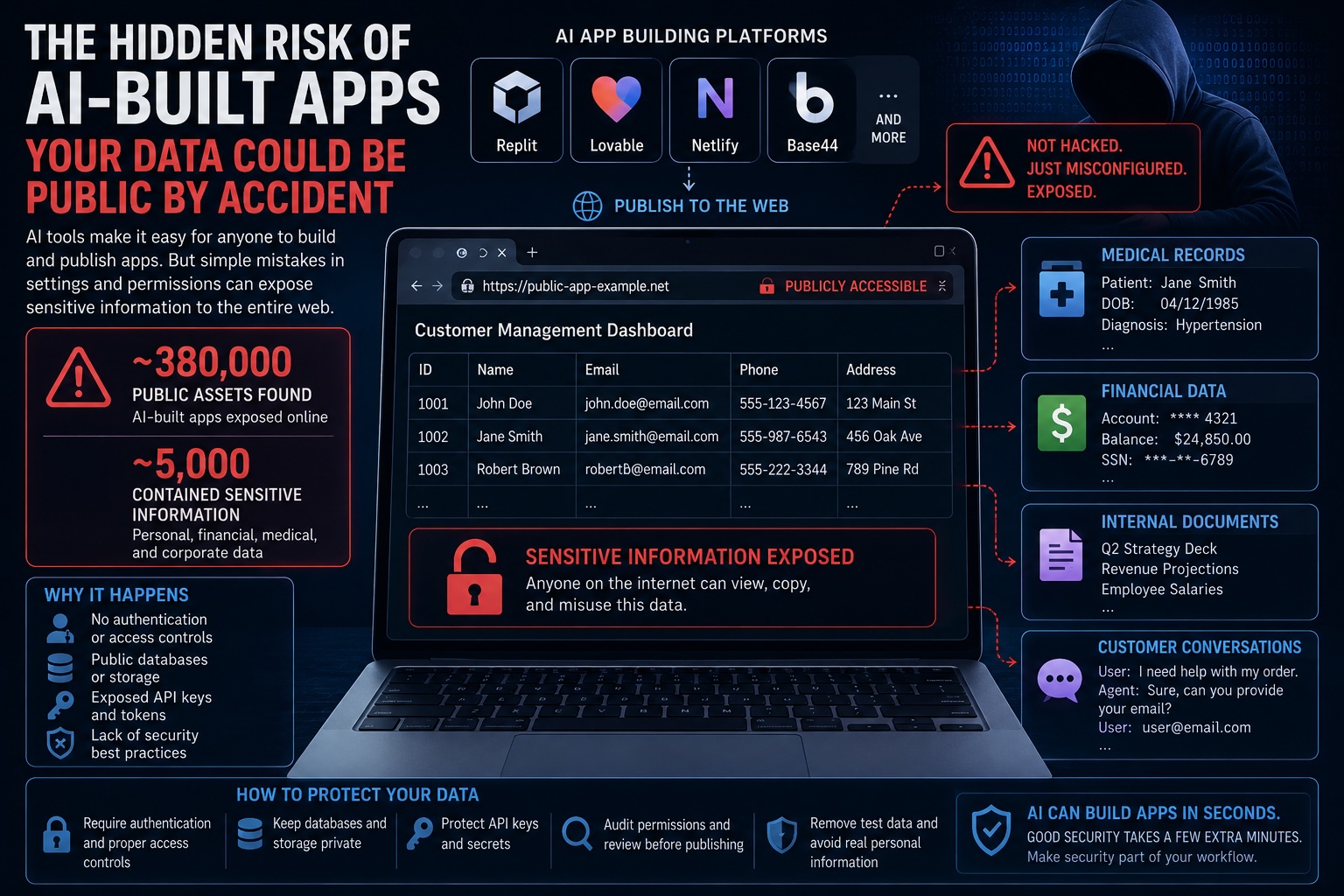
What “vibe coding” means
“Vibe coding” refers to building apps by describing what you want in natural language while AI generates much of the code. Platforms such as Repli ...
Subscribe ecode10.com
Receive our latest updates about programming languages, software, database, books, ebooks, classes, jobs and more.
You can cancel anytime.
Log In
Subscribe now
Related articles

Cognitive debt for developers
Is a newer concept that’s becoming really....

Claude is experiencing an outage
Here’s what we know about it

Family Web App AI - Family schedules, tasks, organization and more
A system to help you manager all schedules and tas

Apple e Google estão trabalhando juntos
Você sabia disso?
Hidden risks associated with developing a website using artificial intelligence
Using AI to do everything for you is a risk?
What Can Copilot Chat do for you?
Step by step using Copilot Chat

A IA do Google está sendo usada para enganar você
A IA está sendo usada para o bem e para o mal